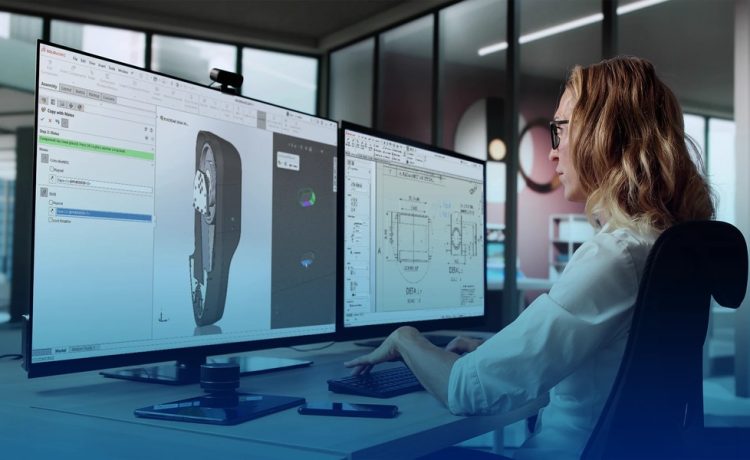
Autodesk Revit is a leading Building Information Modeling (BIM) software widely used in architecture, engineering, and construction industries. It allows professionals to design intelligent 3D building models that integrate architectural, structural, and mechanical systems in a unified environment. Accessing premium software for less with a one-time payment provides long-term value and financial stability for design professionals.
What makes Autodesk Revit a powerful tool for modern design?
If you are looking for Revit for sale, you can find it at https://prosoftstore.com/1/autodesk-revit.html. Autodesk Revit is powerful because it enables users to create coordinated and data-rich building models. Every component in the model is connected, meaning changes in one area automatically update the entire design.
Statistical insights from the construction industry show that BIM-based tools significantly improve design accuracy and reduce project conflicts. This makes Revit a preferred solution for modern building design and project management.
Why is a one-time payment model beneficial for Revit users?
A one-time payment model allows users to purchase the software once and use it without ongoing subscription fees. This reduces long-term costs and provides predictable budgeting for individuals and organizations.
From a financial perspective, fixed-cost software ownership is especially valuable for firms managing long-term construction projects. It ensures continuous access to essential tools without recurring expenses.
What features are included in Autodesk Revit premium software?
Autodesk Revit includes advanced BIM modeling tools, parametric design capabilities, real-time collaboration features, and detailed documentation systems. It also supports analysis tools for structural and building performance evaluation.
Performance data from architecture and engineering industries shows that integrated BIM platforms improve workflow efficiency and reduce design errors. This leads to better coordination and higher-quality project outcomes.
How does Revit improve productivity in architecture and construction?
Revit improves productivity by using a single intelligent model where all design changes are automatically updated across the project. This eliminates the need for repetitive manual corrections.
Industry studies indicate that BIM systems significantly reduce project delays and improve collaboration between teams. This results in faster project delivery and improved efficiency in construction workflows.
Is Autodesk Revit suitable for beginners and professionals?
Autodesk Revit is designed to support both beginners and experienced professionals. Beginners can start with basic modeling and documentation tools, while professionals handle complex building systems and large-scale projects.
Usage trends show that many users develop advanced BIM skills over time, making Revit a scalable solution for long-term professional growth in the design industry.
What industries benefit most from Autodesk Revit?
Revit is widely used in architecture, construction, civil engineering, structural engineering, and MEP design industries. Its ability to integrate multiple disciplines into one model makes it highly valuable.
Industry data highlights that BIM software plays a key role in improving design accuracy, reducing construction errors, and enhancing overall project efficiency across multiple sectors.
How does Revit ensure accuracy in building design?
Revit ensures accuracy through parametric modeling, real-time updates, and intelligent coordination systems. These features help maintain consistency across all elements of a building project.
Automation reduces manual errors and ensures that all project components remain synchronized throughout the design process, improving reliability and precision.
Conclusion
Autodesk Revit continues to be a powerful and essential BIM solution for modern design professionals. Unlocking it at a lower cost with a one-time payment provides excellent long-term value and financial convenience. With its advanced features, strong industry adoption, and proven productivity benefits, Revit remains a trusted tool for achieving precision, efficiency, and success in architecture and construction projects.