One of the first questions brokers ask before launching is simple: how much does a white-label trading platform actually cost?
The answer depends on the platform setup, infrastructure requirements, and operational scale you plan to support.
While costs vary between providers, understanding the major cost components helps brokers plan more effectively and avoid unnecessary spending.
What You’re Actually Paying For
A white label platform is more than just trading software.
Most setups include:
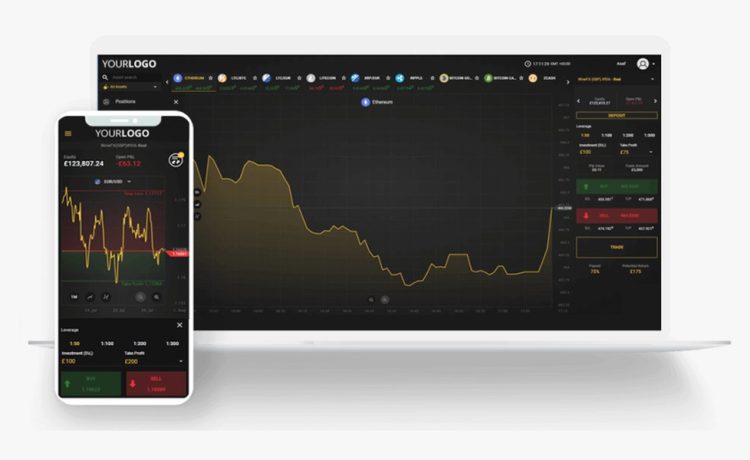
- trading terminal access
- admin and back-office systems
- liquidity integration
- risk management tools
- hosting and maintenance
This means brokers avoid the massive expense of building infrastructure independently.
Key Factors That Affect Pricing
Platform Features
The more advanced the infrastructure, the higher the cost.
Features like:
- multi-asset trading
- advanced reporting
- mobile trading
- real-time risk dashboards
Often influences pricing significantly.
Liquidity & Execution Setup
Some providers include liquidity integration within their packages, while others charge separately.
Execution quality, spread access, and routing capabilities also affect overall pricing.
Customization & Branding
Basic branding is usually included, but advanced customization may increase setup costs.
This can include:
- custom client portals
- branded mobile apps
- unique trading environments
Why White Label Is Still Cost-Effective
Compared to building infrastructure internally, working with a White Label Trading Platform Provider remains far more economical.
Building from scratch involves:
- development costs
- server infrastructure
- cybersecurity
- continuous upgrades
- technical staffing
White label platforms eliminate most of these operational burdens.
The Real Cost Mistake Brokers Make
The biggest mistake is focusing only on setup cost while ignoring scalability and operational reliability.
A low-cost platform that struggles under growth can become far more expensive long term.
That’s why choosing a reliable Trading Platform Provider matters just as much as pricing itself.
Final Thoughts
A white label platform is ultimately an investment in speed, operational efficiency, and scalability.
The right infrastructure helps brokers launch faster while avoiding the technical and financial pressure of building independently.
For brokers exploring the full setup process, it’s important to understand how white label brokerage infrastructure works from launch to scale.