
Supply chain attacks have moved from rare and exotic to depressingly routine. The basic premise stays consistent: rather than breaking through an organisation’s perimeter, the attacker compromises a piece of software, a vendor, or an upstream dependency that the target already trusts. The trust relationship does the work of getting the malicious payload through every defence the target has invested in. Studying how these attacks unfold reveals where most defenders still have blind spots.
Compromised Dependencies in Open Source
Most modern applications include hundreds of open source dependencies, often with their own dependencies running several layers deep. A typo-squatted package on npm or PyPI, a maintainer account taken over through phishing, or a malicious commit slipped into a popular project all become potential supply chain attacks. The compromised code runs with the privileges of whatever pulled it in, which usually means broad access. vulnerability scanning services that includes software composition analysis catches a portion of these issues, but only the ones already known to public databases.
Software Build and Distribution Attacks
Beyond dependencies, the build pipelines that produce software become targets in their own right. SolarWinds remains the cautionary tale here, where the attackers compromised the build process itself rather than the source code. The result was malicious software signed with legitimate certificates and distributed through legitimate channels. Detecting this kind of attack from the consumer side is genuinely hard, which makes hardening your own pipelines, code signing, and provenance verification all the more important.
Expert Commentary
Name: William Fieldhouse
Title: Director of Aardwolf Security Ltd
Comments: The supply chain incidents that worry me most are the ones nobody has noticed yet. Compromised dependencies sitting quietly in production, malicious code waiting for a trigger, signed binaries with suspicious behaviour that nobody profiles closely. The defenders who do well in this area assume compromise has already happened and look for the evidence.
Vendor Compromise Spreads Sideways
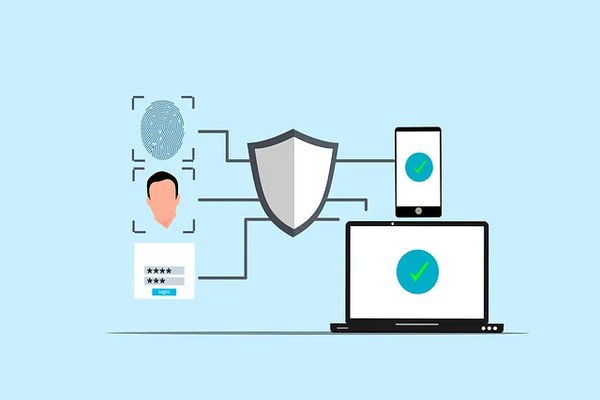
Managed service providers, cloud platforms, and SaaS vendors all hold the keys to many of their customers’ environments. When one of them is compromised, the blast radius can be enormous. The Kaseya incident, the various MSP-targeted ransomware campaigns, and the routine supply chain breaches reported each quarter all illustrate the pattern. Vetting your vendors, requiring evidence of their security programmes, and limiting their access to the minimum required all reduce exposure.
Hardware and Firmware Concerns
Less common but still worth noting, hardware supply chain attacks introduce malicious functionality at the manufacturing or distribution stage. Network equipment with backdoors, peripheral devices that act as keyboards, and firmware updates that introduce persistent implants have all featured in published research. Most businesses cannot defend against this category directly, but supply chain hygiene at the procurement level helps reduce the probability of acquiring compromised kit.
Detection in a Trusted World
When the malicious code arrives through trusted channels, traditional perimeter defences cannot stop it. Detection has to focus on behaviour rather than identity. Watch for processes making unusual outbound connections, software phoning home to servers nobody recognises, and binaries behaving differently from their expected patterns. Threat intelligence feeds help identify known indicators, but the zero-day cases require behavioural analysis and a willingness to investigate anything that looks slightly off.
Practical Defensive Measures
Maintain a software bill of materials for what runs in your environment. Restrict outbound connectivity from servers that have no business reaching the internet. Verify signatures and provenance on the software you deploy. Run regular best penetration testing company that includes attack scenarios involving compromised vendor access, since these are the scenarios that hurt the most when they happen. The point of defence is not to be invulnerable. It is to make any successful supply chain attack expensive, slow, and visible.