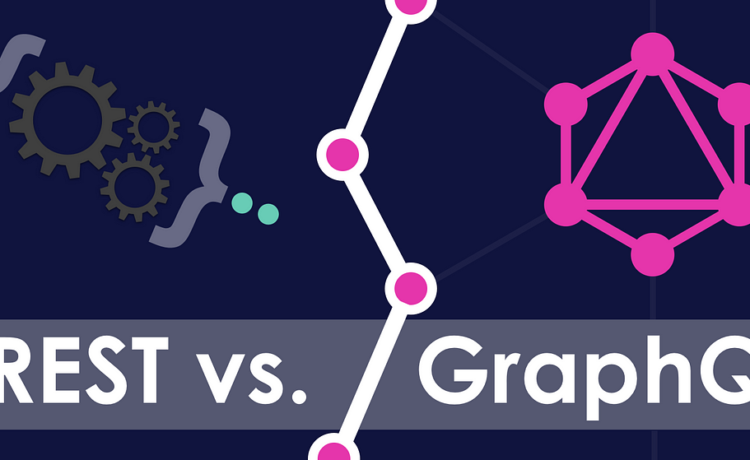
As software development practices have evolved over the years, so too have the methods for building and interacting with APIs (Application Programming Interfaces). Two dominant paradigms in API design have emerged as the go-to solutions for developers: REST (Representational State Transfer) and GraphQL. While both have their strengths and weaknesses, the choice between them relies on the distinct needs of a project. For many developers, understanding the distinctions and use cases of each can be a crucial aspect of their work, especially as more projects demand flexible, scalable, and efficient solutions. Whether you’re attending full stack developer classes or diving into API design independently, it’s essential to grasp how GraphQL and REST can shape the future of software architecture.
The Traditional Approach: REST APIs
REST, which stands for Representational State Transfer, has been the backbone of API design for nearly two decades. It provides a structured way to interact with resources through a stateless, client-server protocol, typically HTTP. REST APIs are known for their clarity, scalability, and ability to handle multiple types of requests, such as GET, POST, PUT, and DELETE.
The main benefit of REST APIs is their resource-oriented design. Each endpoint in a RESTful API represents a resource, making it easy for developers to understand how to interact with the system. However, this simplicity comes with trade-offs. As applications become more complex, REST APIs can become cumbersome, especially when multiple endpoints are required to gather data from various resources. This often leads to over-fetching (retrieving more data than needed) or under-fetching (not getting enough data in a single request), both of which can affect performance.
For those pursuing a full stack developer course in Bangalore, understanding the nuances of REST is crucial because it remains widely used in enterprise and modern applications. However, as software projects evolve, the limitations of REST, particularly in terms of flexibility and performance, have prompted developers to explore alternative API architectures like GraphQL.
The Rise of GraphQL
GraphQL, developed by Facebook in 2012, is a more recent addition to the API design landscape. Unlike REST, which is resource-oriented, GraphQL is query-based. This means that clients can request specific data by defining what they need in a single query, reducing the problem of over-fetching or under-fetching.
One of the best features of GraphQL is its ability to provide a more efficient and customizable way of interacting with APIs. Clients can request the data they need, no more, no less. This has made GraphQL particularly attractive for front-end developers who need to retrieve complex data structures without the performance hit of multiple round trips to the server. It’s also been embraced by companies that manage large-scale applications with a variety of interconnected data sources.
However, with great power comes great responsibility. GraphQL’s flexibility can introduce new challenges in terms of security, caching, and performance tuning. Developers must be more mindful of how queries are structured to avoid accidentally requesting too much data or exposing sensitive information. Still, for those honing their skills in full stack developer classes, learning GraphQL can be a game-changer, offering a more streamlined approach to building modern web applications.
Key Differences Between REST and GraphQL
When comparing REST and GraphQL, it’s important to consider the following key differences:
- Data Fetching: REST tends to be more rigid, requiring multiple requests to different endpoints to gather related data. In contrast, GraphQL allows for a single query to retrieve precisely the data needed from multiple sources.
- Flexibility: GraphQL is much more flexible when it comes to requesting data. Developers can define their data requirements on a granular level, which is particularly useful for front-end applications that require fine-tuned control over the information displayed to users.
- Versioning: REST APIs typically require versioning, especially as they evolve. For example, developers may need to maintain multiple versions of the API to support different client needs. GraphQL, on the other hand, eliminates the need for versioning because clients specify exactly what they want, and new fields can be added to the schema without affecting existing queries.
- Learning Curve: REST is easier to learn for beginners due to its simplicity and widespread adoption. GraphQL, while powerful, comes with a steeper learning curve, specifically when it comes to comprehending how to build efficient queries and manage complex data relationships. Nonetheless, for those enrolled in a full stack developer course in Bangalore, mastering both REST and GraphQL will provide a competitive edge in the job market.
Use Cases: When to Choose REST or GraphQL
Both REST and GraphQL have their place in modern API design, and the choice between them often depends on the specific requirements of a project.
When to Use REST:
- Simple, resource-based interactions: REST shines in situations where you’re interacting with straightforward resources, such as fetching a list of users or updating a single record.
- Strong caching mechanisms: REST’s reliance on HTTP makes it easier to cache responses, which can be crucial for applications that require frequent data retrieval with minimal changes.
- Broad compatibility: REST is well-established and supported by many libraries, frameworks, and tools, making it easier to integrate into a variety of projects.
When to Use GraphQL:
- Complex, nested data: If your application needs to fetch data from multiple sources or deal with intricate relationships between entities, GraphQL’s ability to consolidate queries into a single request is invaluable.
- Dynamic front-end requirements: For applications where front-end developers need flexibility in the data they display, GraphQL provides more control and reduces the need for back-and-forth communication with the server.
- Real-time updates: GraphQL supports subscriptions, making it a satisfactory choice for applications that require real-time data, such as chat apps or live feeds.
Ultimately, whether you’re designing APIs for a start-up, a large enterprise, or as part of a full stack developer course in Bangalore, knowing when to use REST or GraphQL will depend on the project’s needs, the development team’s familiarity with the technology, and the long-term scalability of the API design.
The Future of API Design
As the demand for more responsive and efficient applications grows, API design will continue to evolve. REST and GraphQL are not mutually exclusive; in fact, many companies have found success by integrating both approaches into their architecture. Hybrid solutions, where REST is used for certain services and GraphQL for others, can offer the best of both worlds.
For full stack developers, understanding these API paradigms is becoming increasingly important. As more organizations look for ways to improve their API performance and flexibility, developers who are proficient in both REST and GraphQL will be well-positioned to lead the charge in API innovation.
In conclusion, the evolution of API design from REST to GraphQL represents a shift toward more flexible, efficient, and developer-friendly architectures. Both have their merits, and the choice between them will depend on the specific prerequisites of your project. As a developer, whether you’re participating in full stack developer classes or applying your knowledge in real-world scenarios, mastering both REST and GraphQL will ensure you can build robust and scalable APIs for years to come.
Business Name: ExcelR – Full Stack Developer And Business Analyst Course in Bangalore
Address: 10, 3rd floor, Safeway Plaza, 27th Main Rd, Old Madiwala, Jay Bheema Nagar, 1st Stage, BTM 1st Stage, Bengaluru, Karnataka 560068
Phone: 7353006061
Business Email: enquiry@excelr.com