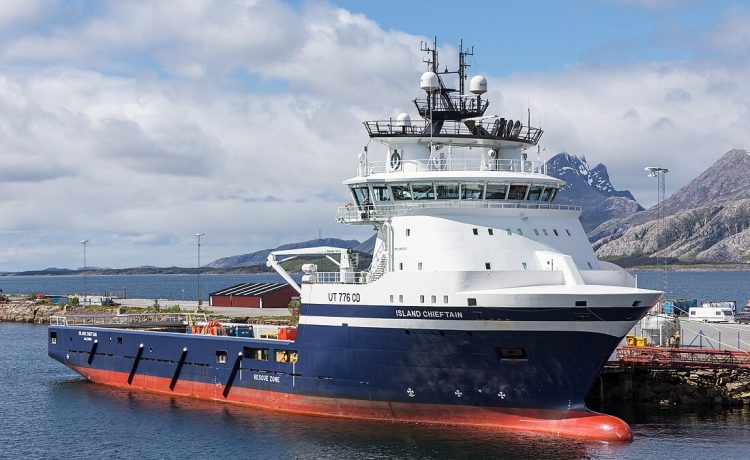
In the demanding world of offshore oil and gas exploration, the PSV vessel stands as a crucial link between land-based facilities and remote sea platforms. Known fully as a platform supply vessel, the PSV vessel is engineered to transport a wide array of essential materials across vast ocean distances, often in unpredictable weather. These vessels act like floating warehouses, ensuring that drilling rigs, production platforms, and crew members have everything they need to operate efficiently and safely. The cargo types carried by PSV vessels are diverse, ranging from liquids vital for drilling to solid equipment for maintenance. Understanding these cargoes highlights the versatility and importance of the PSV vessel in sustaining offshore activities. This article explores the main categories of loads these ships handle, shedding light on how they contribute to the seamless flow of offshore operations.
The Role of PSV Vessels in Offshore Logistics
A PSV vessel plays an indispensable role in the logistics chain of offshore industries. These ships depart from coastal supply bases loaded with necessary items and navigate to platforms where they transfer their cargo without docking. The design of a PSV vessel, with its large decks and specialized tanks, allows it to manage multiple cargo types simultaneously. This multitasking capability minimizes trips and reduces downtime for platforms, which is critical in an industry where delays can be costly.
Crew members on a PSV vessel are trained to handle transfers carefully, using hoses for liquids and cranes for heavier items. In rough seas, the vessel’s dynamic positioning system helps it stay steady, ensuring safe operations. The variety of cargo types carried by PSV vessels reflects the complex needs of offshore work, from daily consumables to specialized drilling aids. Without these reliable deliveries, platforms would struggle to maintain production or conduct exploration safely.
Liquid Cargoes: The Lifeblood of Drilling Operations
Among the most common cargo types carried by PSV vessels are liquids essential for drilling and platform maintenance. Drilling mud, also known as drilling fluid, tops the list. This thick mixture helps cool the drill bit, carry cuttings to the surface, and stabilize the wellbore. PSV vessels feature dedicated tanks for mud, often separated into compartments for different types like water-based or oil-based varieties. These tanks are designed with agitation systems to keep the fluid consistent during transit.
Fuel oil is another vital liquid cargo. Platforms require diesel for generators and machinery, and a PSV vessel delivers large volumes to keep power flowing uninterrupted. Fresh water follows closely, used for drinking, washing, and industrial processes. In arid offshore settings, this cargo is priceless, with PSV vessels carrying it in purified form to support crew health and operations.
Brine, a salty solution for completion fluids, and base oils for mud formulation are also frequently transported. Chemical additives, such as barite for weighting mud or lubricants, round out the liquid loads. The PSV vessel’s piping and pumping systems enable quick, spill-free transfers, emphasizing safety in handling these potentially hazardous materials. Overall, liquid cargoes form the backbone of what a PSV vessel carries, directly influencing drilling efficiency and platform sustainability.
Dry Bulk Cargoes: Powders and Granules for Support
Dry bulk materials represent another key category of cargo types carried by PSV vessels. These are stored in silos or tanks below deck and transferred via pneumatic systems or hoses. Cement is a prime example, used for securing casings in wells or repairing structures. Bagged or bulk, it arrives ready for mixing on the platform.
Barite and bentonite are heavy powders that add weight and viscosity to drilling mud. Their density helps control well pressure, preventing blowouts. PSV vessels dedicate significant tank space to these, ensuring they remain dry and free-flowing despite sea motion.
Other dry bulks include sack materials like lime or soda ash for pH adjustment in fluids. These powders might seem simple, but their timely delivery prevents operational hiccups. The PSV vessel’s bulk handling equipment allows for rapid discharge, often completing transfers in hours. This efficiency is crucial, as platforms rely on steady supplies of these materials to keep drilling progressing smoothly.
Deck Cargoes: Equipment and Containers
The open deck of a PSV vessel is reserved for solid, oversized items that don’t fit below. This area accommodates a variety of cargo types carried by PSV vessels, primarily in containers or loose form. Standard shipping containers hold tools, spare parts, and general supplies, stacked securely for the voyage.
Pipes and tubulars, essential for drilling or production, are lashed down on deck. These long steel sections require careful loading to balance the vessel. Risers, casings, and drill collars follow similar handling, often protected from corrosion during transit.
Heavy equipment like pumps, valves, or subsea tools also travels on deck. Cranes on the PSV vessel lift these during loading at base and offloading at platform. Palletized goods, from machinery components to safety gear, add to the mix. Even consumables like food provisions in refrigerated containers find space here, supporting crew welfare.
The deck’s strength and tie-down points ensure cargo withstands waves and wind. This versatility allows a PSV vessel to adapt loads based on platform requests, making deck cargoes a flexible and visible part of its operations.
Specialized and Hazardous Cargoes
Some cargo types carried by PSV vessels fall into specialized or hazardous categories, requiring extra precautions. Radioactive sources for logging tools, though small, demand secure containment. Explosives for perforation jobs are handled with strict protocols, stored in approved magazines.
Chemicals like acids or corrosion inhibitors pose risks if mishandled, so PSV vessels use compatible tanks and trained crews. Methanol for hydrate prevention in pipelines is another common hazardous liquid, transferred with vapor recovery systems.
These cargoes underscore the PSV vessel’s role in high-stakes environments. Regulations guide their transport, with manifests detailing contents for safety. Despite challenges, delivering these items reliably keeps complex operations like well interventions on track.
Safety and Handling Considerations for Cargoes
Handling diverse cargo types on a PSV vessel involves rigorous safety measures. Segregation prevents incompatible materials from mixing, such as keeping fuels away from potable water. Stability calculations ensure balanced loading, avoiding lists that could endanger the ship.
Environmental protections, like spill containment, are standard. Crew drills prepare for emergencies, and monitoring systems track tank levels. The PSV vessel’s design incorporates these features, allowing it to carry varied cargoes while prioritizing crew and ecological safety.
Conclusion
The cargo types carried by PSV vessels showcase their adaptability in supporting offshore endeavors. From vital liquids and dry bulks to deck equipment and specialized items, each load plays a part in keeping platforms operational. A PSV vessel’s ability to manage these diverse cargoes efficiently bridges the gap between shore and sea, enabling the energy industry to thrive in remote locations. As offshore activities continue, the importance of these vessels and their cargoes remains undeniable.
FAQs
What are the main liquid cargoes on a PSV vessel?
Liquid cargoes typically include drilling mud, fuel oil, fresh water, brine, and various chemicals essential for drilling and maintenance.
Why do PSV vessels carry dry bulk materials?
Dry bulks like cement, barite, and bentonite are carried to support drilling fluid preparation and well construction on platforms.
Can a PSV vessel transport food and provisions?
Yes, food, water, and crew supplies are often carried in containers or tanks to sustain personnel on offshore platforms.
How are hazardous cargoes handled on PSV vessels?
Hazardous items like chemicals or explosives are stored in dedicated, compliant areas with strict safety protocols during loading, transit, and transfer.
What types of deck cargo are common on PSV vessels?
Deck cargoes usually consist of pipes, containers with tools, heavy equipment, and palletized goods secured for sea travel.
Do PSV vessels carry only oil and gas related cargo?
While primarily for oil and gas support, PSV vessels can adapt to similar cargoes in other offshore sectors like renewables.